Why Use Different Colors To Distinguish Detectable Warning Panels?
When navigating public spaces, we often take for granted the signs and warning panels around us. But have you ever wondered why use different colors to distinguish detectable warning panels? Color plays a vital role in helping people identify hazards quickly. Let’s dive into this colorful world!
The Importance of Color Coding
Color coding isn’t just a design choice; it’s a safety measure. Different colors can convey different meanings. For instance, yellow often signals caution, while red usually indicates danger. This simple system makes it easier for everyone, especially those with visual impairments.
Visual Clarity
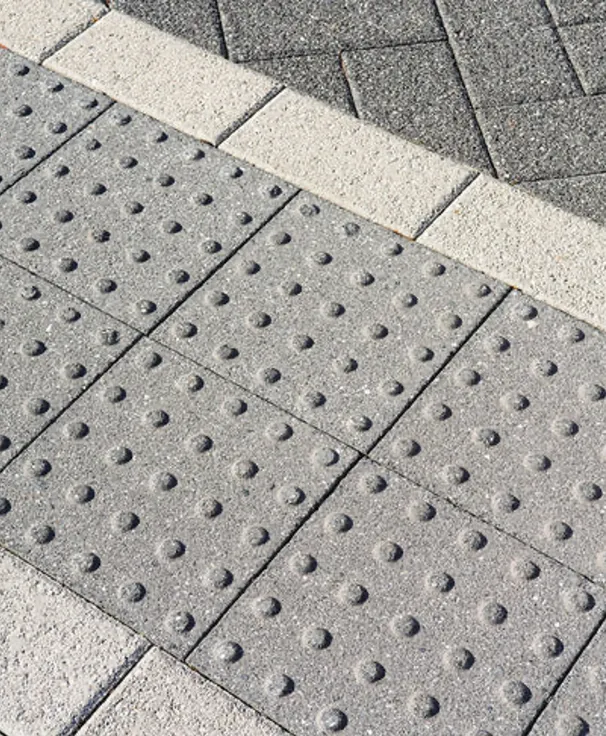
When I was out walking with a friend who uses a cane, I noticed how crucial colors were for him. He pointed out a bright yellow panel on the sidewalk. “That’s a warning for me,” he said. The color helped him navigate safely. Without these colors, it would be much harder for him to understand the environment.
Benefits of Using Multiple Colors
Using various colors for detectable warning panels has many benefits:
- Quick Recognition: Bright colors catch the eye. People can react faster to warnings.
- Inclusivity: Different colors help those with different types of vision impairments.
- Standardization: Consistent color use helps create a universal understanding of signs.
Real-Life Applications
Think about busy areas like airports or malls. You can see different colored panels guiding people. For example, blue panels might indicate accessible routes, while orange could alert to construction. This system works because the colors provide instant recognition.
Why Use Different Colors To Distinguish Detectable Warning Panels? A Deeper Look
In short, the reason behind using different colors for these panels is about safety and accessibility. Think of how often we rely on quick visual cues in our daily lives. The faster we can identify a warning, the safer we stay.
For those looking for specifics, truncated dome tiles are one example of how colors and textures work together to achieve these goals. They not only signal a potential hazard but also provide tactile feedback.
Final Thoughts
Next time you’re out and about, pay attention to the colors of the warning panels. Notice how they help guide you and keep you safe. Using different colors is more than just aesthetics; it’s about creating a safer, more navigable world for everyone.
